
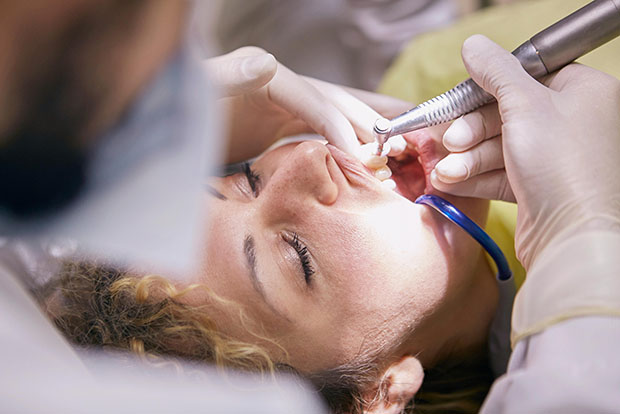
Most people don’t plan for a dental emergency. It simply interrupts whatever day they thought they were going to have. A sharp pain that wasn’t there yesterday, a filling that comes loose while you’re eating, a tooth that reacts suddenly to cold air — the range of problems is wide, but the feeling is the same: this needs attention, and it needs it now.
At Gamma Dental Clinic, emergency appointments are handled during our regular working hours, and patients are seen as quickly as the schedule allows. There’s no overnight line, no after-midnight calls — just practical, sensible dentistry delivered when the clinic is open and fully staffed.
If you speak with Dr Olga Gelfand or Dr Zoren Ratner for five minutes, you’ll hear the same message: early intervention almost always simplifies the outcome. A tooth that throbs in the morning rarely settles by evening. Swelling that seems minor at lunchtime may become more noticeable by nighttime. People arrive worried, but the moment they understand what’s happening inside the tooth or the gums, things calm down. The unknown is usually worse than the diagnosis.
The phrase “dental emergency” sounds dramatic, but in reality most emergencies start quietly — a sensitivity that suddenly becomes sharp, or a tooth that feels slightly higher than the rest of the bite. Symptoms vary enough that people often doubt whether their problem qualifies.
A toothache that escalates
Many patients try to manage this with warm teas, painkillers, or changing sides while chewing. When the pain begins to pulse, it usually means the nerve is involved. That’s the moment to stop waiting.
A cracked tooth
This one surprises people. Sometimes they remember biting on something hard; sometimes the break comes out of nowhere. The crack might be hidden, only visible once the X-ray is taken.
A crown or filling that falls out
There’s no elegant way to say it: teeth feel extremely vulnerable without their coverings. Air, temperature, food — everything touches the exposed surface. Patients often describe it as “the tooth suddenly waking up.”
Swelling
Swelling tends to appear quickly. It can be a firm lump under the jaw, a warm area near a tooth, or puffiness near the cheek. It’s almost always a reason to be seen soon.
Trauma
Accidents happen in every age group. A fall on pavement, a sports hit, or simply biting into something the wrong way. Trauma needs timely evaluation because unseen internal damage is common.
Abscess
Some people notice a taste before they feel pain. Others wake up with pressure beneath a tooth. An abscess is the body’s way of signalling that infection has collected and needs attention.
These situations share one thing: they aren’t improved by waiting. Even if the pain comes and goes, the underlying issue rarely reverses.
The process is steady, not rushed. Emergencies are prioritised, but treatment still follows a clear structure.
Calling ahead
Because the clinic only manages urgent cases during business hours, calling gives the team a chance to prepare. A short description of the symptoms helps determine whether X-rays will be needed immediately.
Arrival and examination
Most people want two answers quickly: What caused this? and Is it serious?
Dr Gelfand or Dr Ratner performs a focused exam, checks the surrounding tissue, and takes an X-ray if necessary. The goal is to identify the origin of the pain, not just mask it.
Providing relief
Once the cause is known, the dentist stabilises the area. Depending on the case, this might mean cleaning out infected tissue, placing a medicated dressing, smoothing a sharp surface, securing a temporary crown, or beginning a portion of the definitive treatment.
Planning the next steps
Emergency care addresses the urgent part first. Reconstruction — whether a crown, root canal, or more detailed restorative work — is typically scheduled once the pain is controlled and the tissues have settled.
People often mention that the most reassuring part of the visit is knowing what will happen next. Even if the treatment requires a follow-up appointment, leaving with a plan usually makes the discomfort far easier to manage.
Severe tooth pain
This is often linked to inflammation of the nerve. Some teeth respond to a protective medication placed inside; others require the dentist to begin root canal therapy. The right decision becomes clear once the imaging is done.
Knocked-out tooth
Time matters here. If a tooth is brought in quickly and kept moist — ideally in milk or saline — there’s a chance it can be reinserted. But the window is narrow, and outcomes vary.
Broken restorations
A filling or crown that falls out can be replaced temporarily or permanently during the visit, depending on the condition of the remaining tooth.
Facial swelling
Swelling caused by infection is treated promptly. Dr Gelfand often drains the area or medicates the tissue so the pressure decreases. Antibiotics are prescribed only when appropriate.
Chipped enamel or sharp edges
Small injuries can usually be smoothed the same day. The goal is simply to prevent the cheek or tongue from becoming irritated and worsening the situation.
Soft tissue injuries
Cuts on the lip or gums are cleaned, and stitches may be used when needed. These injuries often look worse than they are, but proper cleaning helps prevent infection.
People often try multiple home remedies before visiting the clinic. Some help; others don’t.
If severe swelling spreads toward the neck or affects breathing, it becomes a medical emergency, not a dental one — and the closest urgent-care centre or hospital is the right destination.
Dental problems rarely improve with time. A mild crack deepens. Swelling increases. A small cavity reaches the nerve. Dr Ratner often tells patients that early treatment saves the tooth more often than not, and usually reduces the complexity of what needs to be done later.
The other advantage is comfort. Pain that feels constant can drain energy quickly, affecting sleep, appetite, and even concentration. Many patients say that addressing the problem quickly gives them back a sense of normalcy, even before the full treatment is complete.
No. Emergency visits at Gamma Dental Clinic are available only during regular clinic hours.
If you can call, it helps us prepare. But if the situation is urgent and you’re nearby, come during hours and the team will fit you in as soon as possible.
Many patients feel immediate relief once the source is treated or stabilised. Full comfort depends on the type of problem.
Most of the time, yes — but trauma can also cause swelling. The exam clarifies this quickly.
If the tooth is sensitive or you can’t chew comfortably, yes. The crown may be reattached or the tooth temporarily protected.
Yes, during working hours. The approach is gentle, and parents receive guidance on what to expect.
If swelling affects breathing, swallowing, or spreads rapidly toward the neck, you should seek immediate medical help.
Emergencies are disruptive, but they don’t have to be overwhelming. At Gamma Dental Clinic, Dr Olga Gelfand and Dr Zoren Ratner focus on practical, immediate solutions that reduce pain and prevent the situation from worsening. Care is delivered calmly, with clear explanations and a plan for what comes next.
If something feels suddenly wrong with a tooth — pain, swelling, a break, or a restoration that won’t stay in place — contact the clinic during working hours. A prompt visit often turns a stressful moment into a manageable one.